
Loads of FREE GCSE and A Level Art resources
Guidance for every stage of an Art project - Checkout BELOW!
These free GCSE and A Level Art resources cover the different stages of developing a successful Art and Design project. They include advice about selecting a starting point, collecting first-hand sources, investigating artists, experimenting with materials, recording observations and refining ideas towards a personal response.
You will also find clear explanations of Assessment Objectives AO1, AO2, AO3 and AO4. The resources are designed to help you understand how research, experimentation, recording and presentation should connect across a project. They should not be treated as four unrelated sections or as a formula that guarantees a particular grade.
Free GCSE and A Level Art resources are added regularly
New free Art resources are added regularly, including project starting points, sketchbook guidance, artist-research advice, controlled-test preparation and ideas for Fine Art, Photography and Graphic Communication. Return to this page to discover recently published articles and fresh approaches that you can adapt to your own interests.
Free GCSE and A Level Art resources. Each resource is intended to encourage independent thinking rather than copying. Begin with the suggested idea, artist or process, but then collect your own photographs, drawings, observations and experiments. Ask what you want your work to communicate and allow your decisions to change as you discover more.
Choose guidance suited to your course
Visit the GCSE Art guidance section for help with coursework, sketchbooks, the Assessment Objectives and controlled-test preparation. Students completing a more sustained investigation can explore the A Level Art guidance section.
Always check the particular requirements of your course with your teacher and examination board. You can consult the official AQA Art and Design qualification information as one example, while the Tate Art Terms guide is a useful external resource for researching styles, movements and processes.
Explore the latest free GCSE and A Level Art resources below, or return to the Portfolio to A Star homepage to find further course guidance and portfolio support.
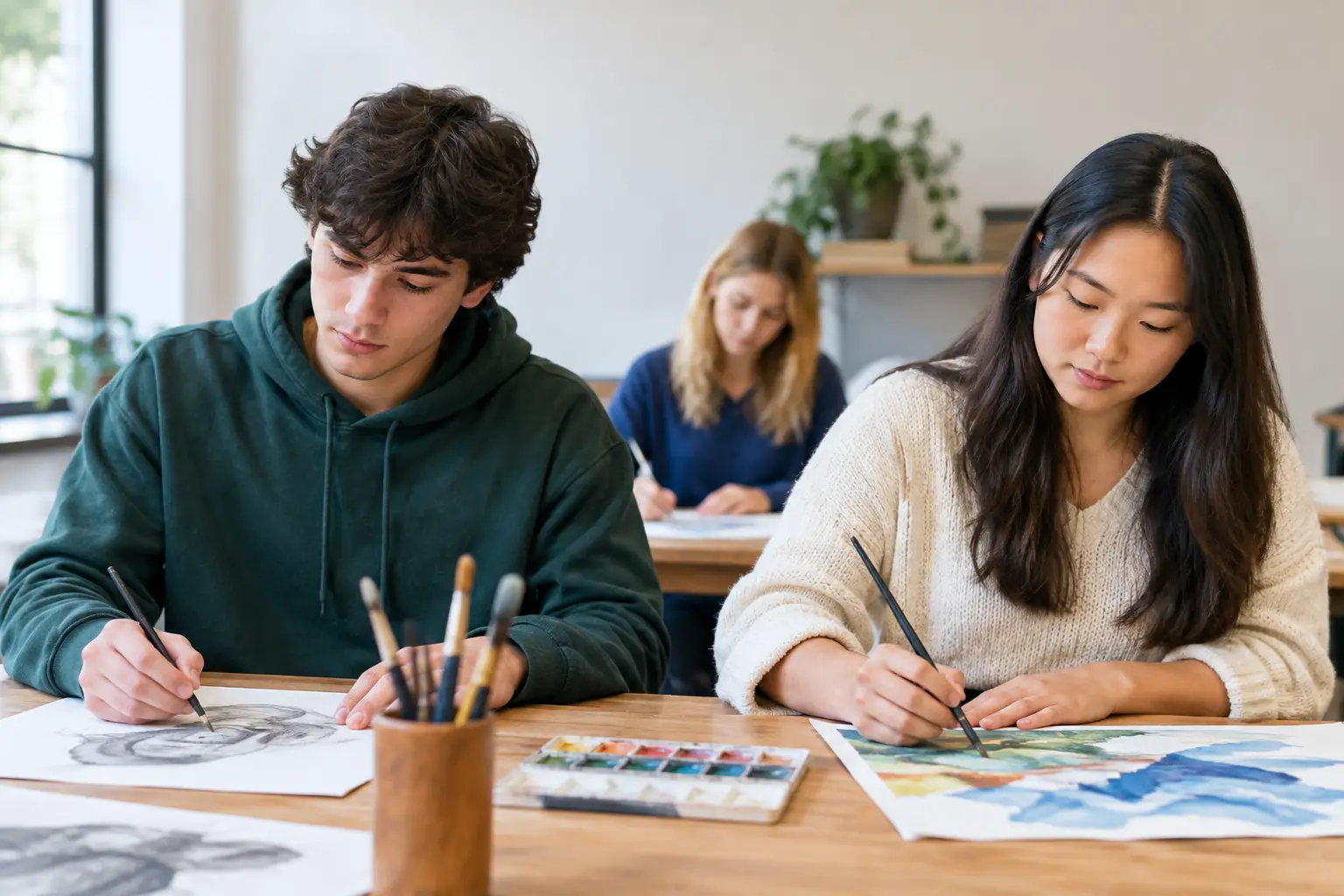
Artist Copy Versus Artist Response for Better Marks
Artist copy versus artist response explained for GCSE and A Level Art: build stronger AO1 evidence, develop[…]

How to Create Graphic Communication Mockups
Learn how to create graphic communication mockups that show clear development, meet AO1-AO4 and help GCSE or[…]
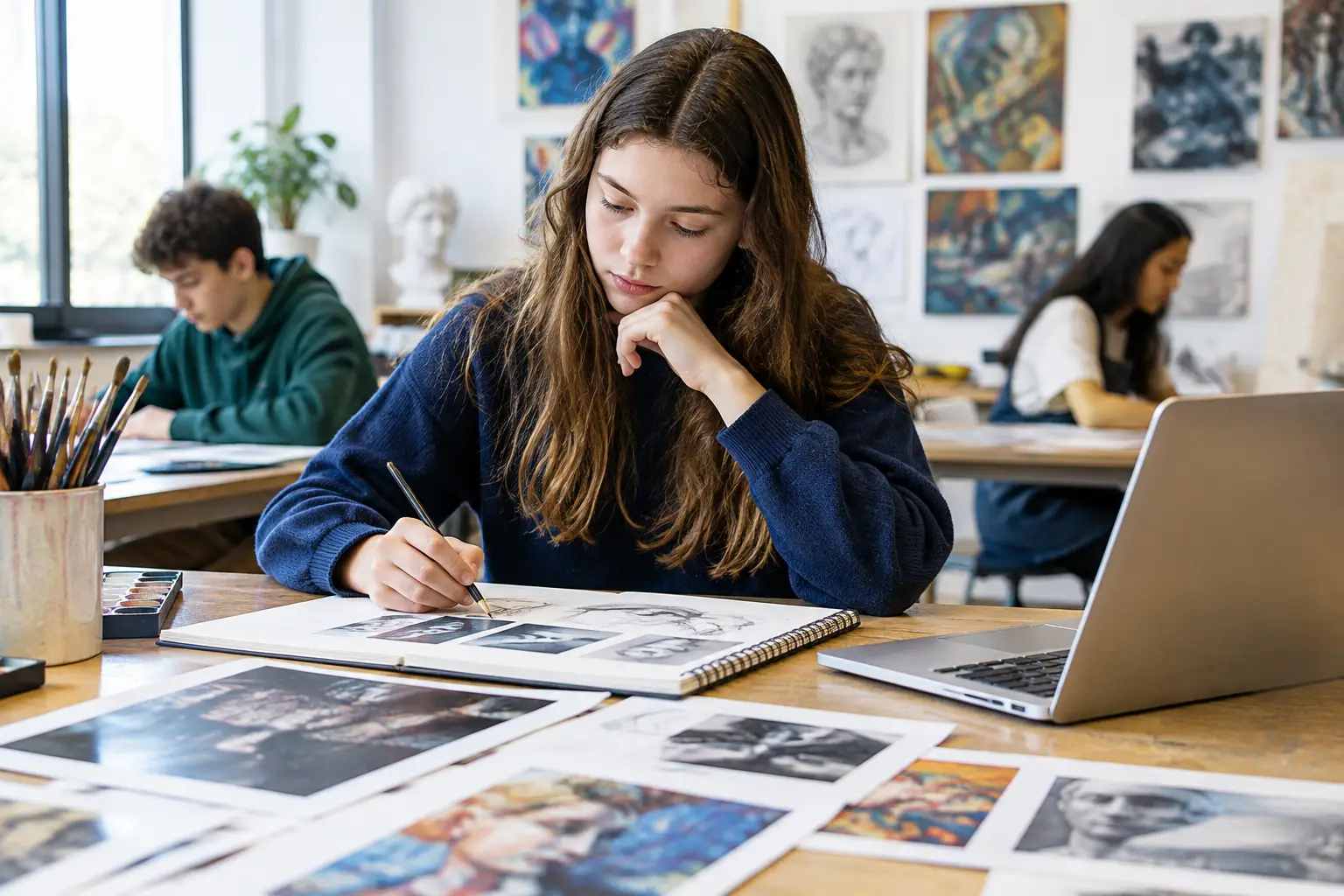
How to Prepare an Artist Response for GCSE Art
Learn how to prepare an artist response that develops AO1, AO2 and AO4, with practical GCSE and[…]
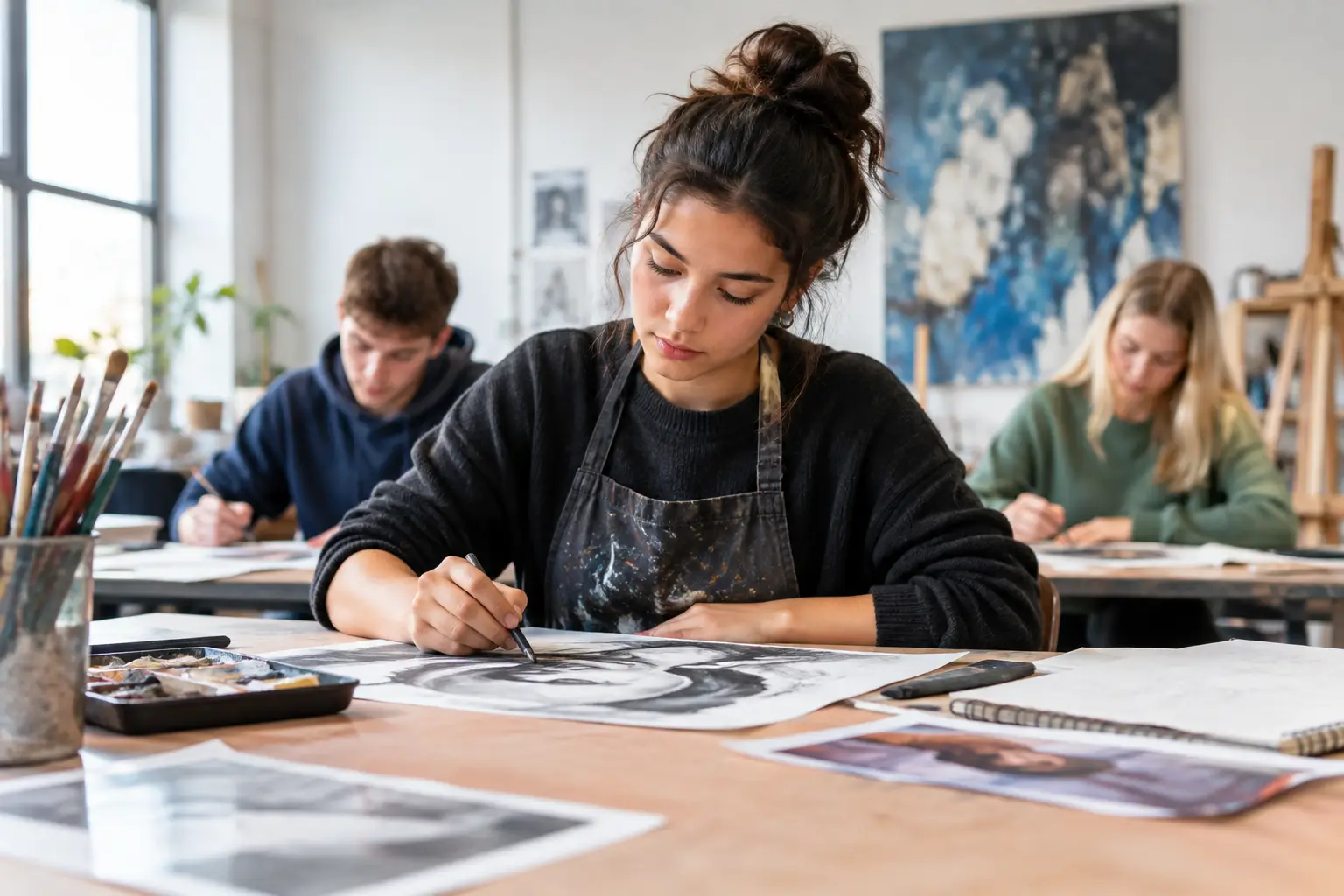
Artist Response Case Study: From AO1 to AO4
An artist response case study showing GCSE and A Level students how to turn research into purposeful[…]
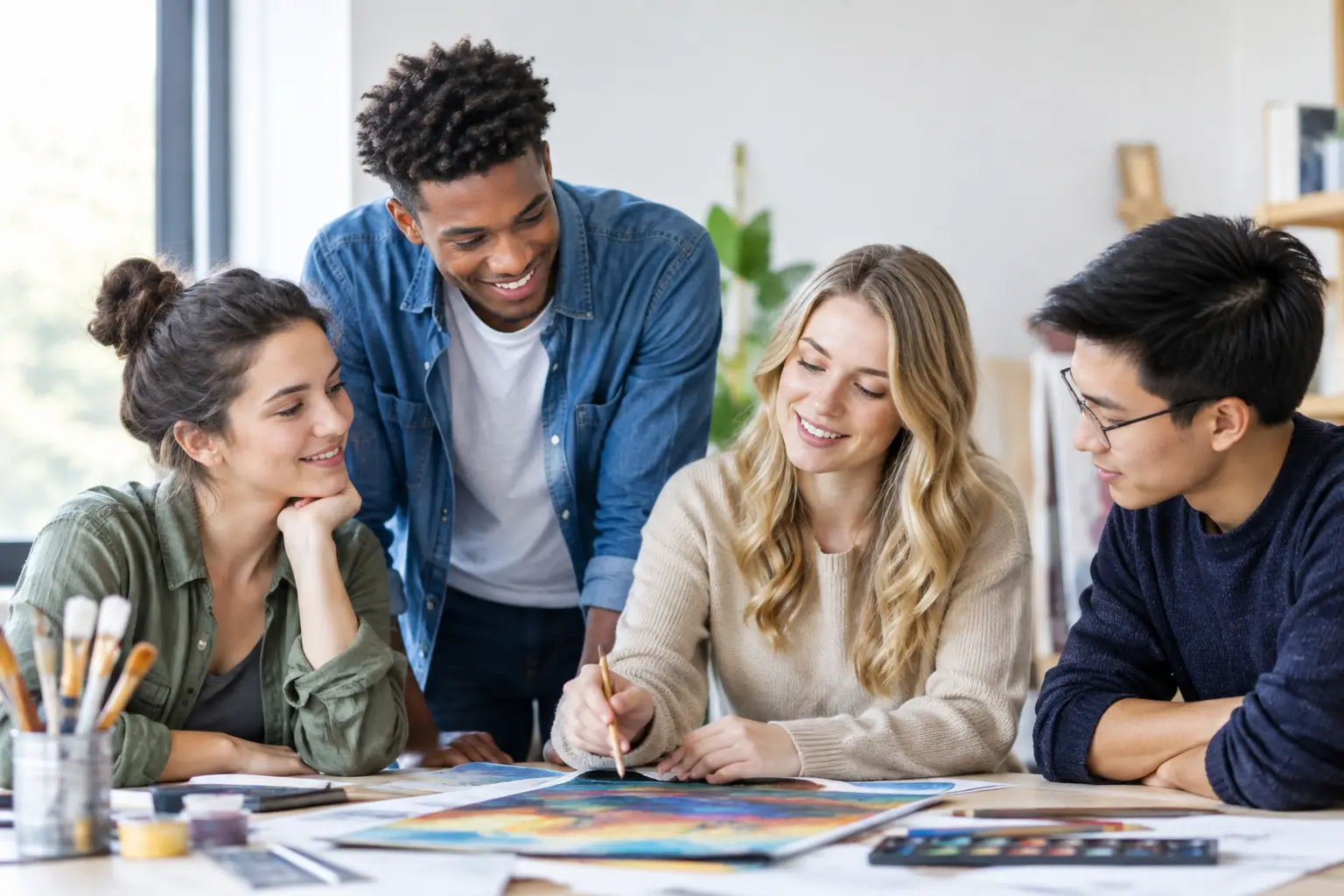
How to Resolve Art Outcomes With Confidence
Learn how to resolve art outcomes with purposeful AO1-AO4 evidence, clear refinement and confident final presentation for[…]
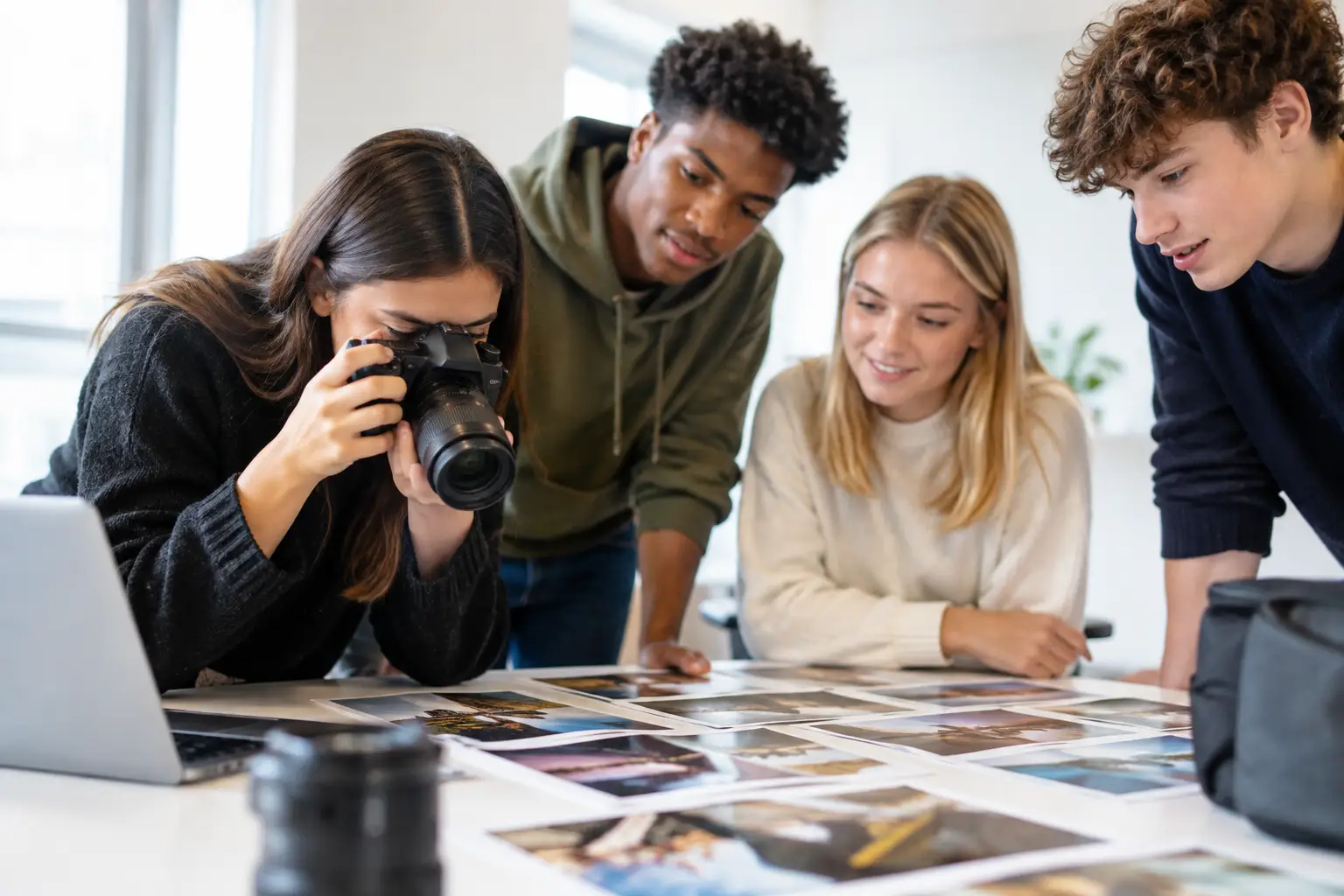
A Photography Project Example That Builds AO1-AO4
Use this photography project example to turn one strong idea into purposeful GCSE or A Level coursework,[…]
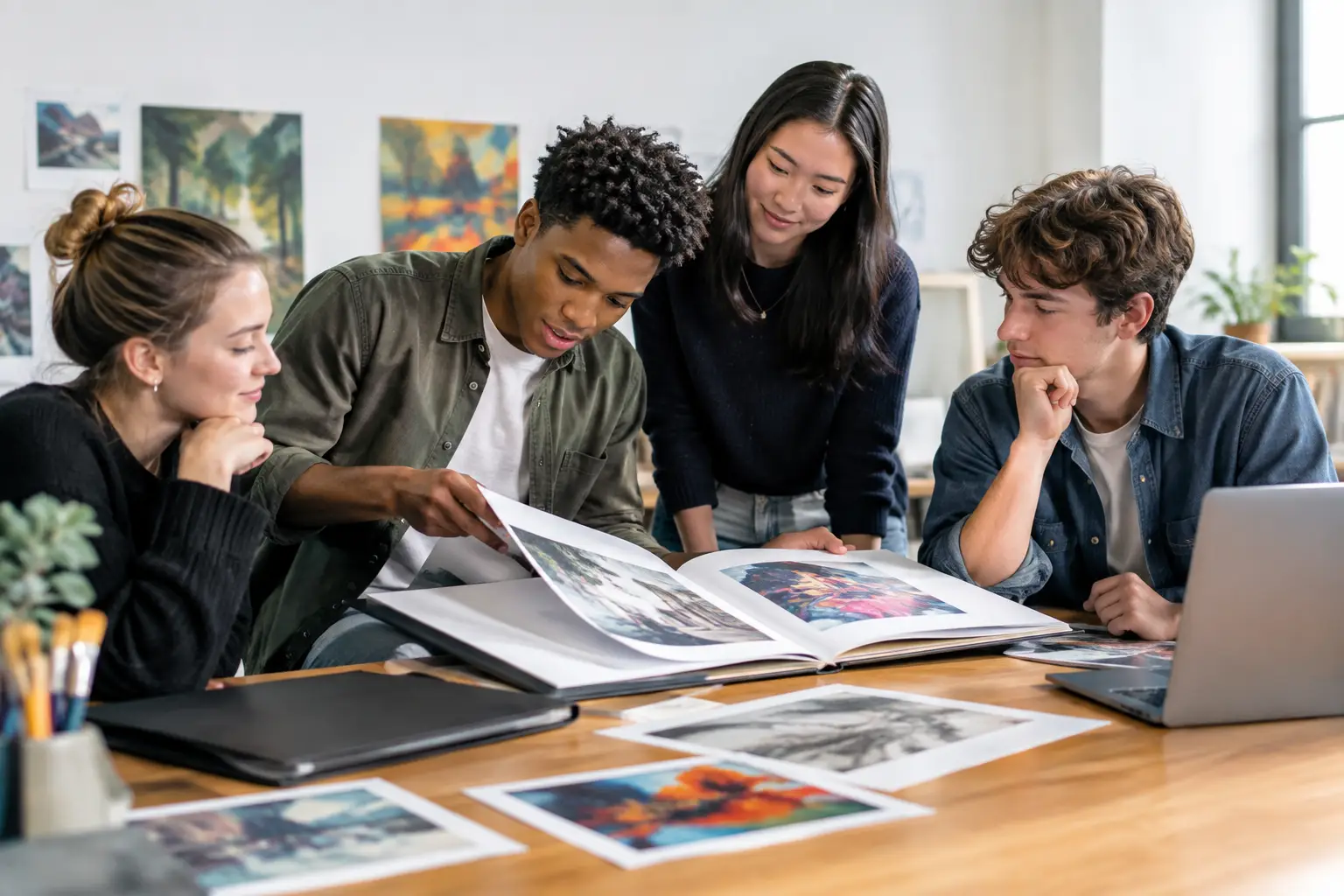
Best Portfolio Presentation Methods for Art
The best portfolio presentation methods for GCSE and A Level Art students, with practical ways to make[…]
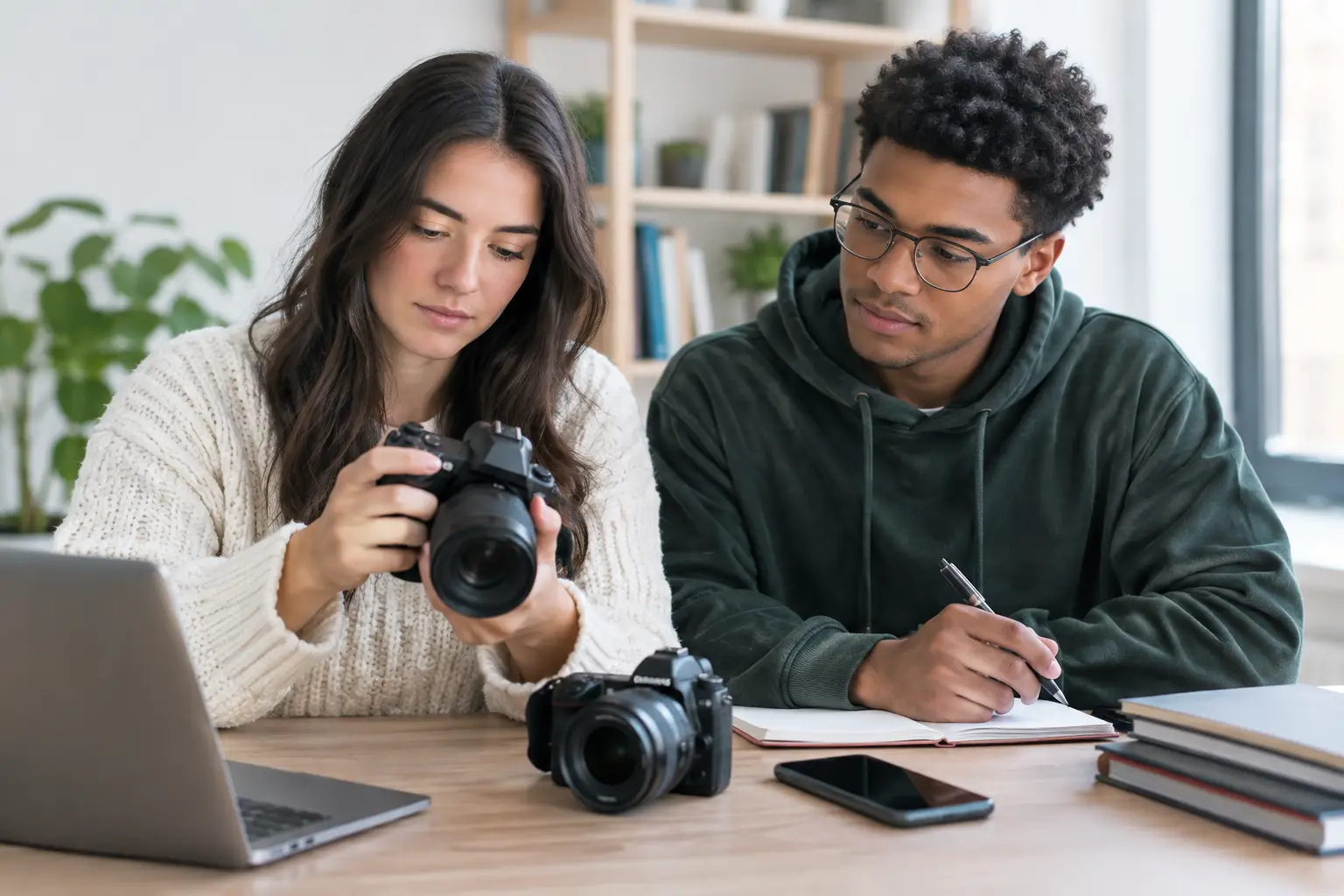
Does Photography Count as AO3? What Examiners See
Does photography count as AO3? Learn when photos become strong recording evidence in GCSE and A Level[…]

What Examiner Sketchbook Assessment Looks For
Understand examiner sketchbook assessment with practical AO1-AO4 actions that show research, experimentation, recording and refined personal responses.