
Your Final Piece Is Not the Whole of AO4
If you have ever searched for “What is AO4 in GCSE Art?”, “Is AO4 just the final piece?” “what does AO4 mean?” or “How do I get high marks for Assessment Objective 4?”, this guide is for you.
Assessment Objective 4, usually shortened to AO4, is often described as the final outcome section of a GCSE Art project. That description is useful, but it is incomplete.
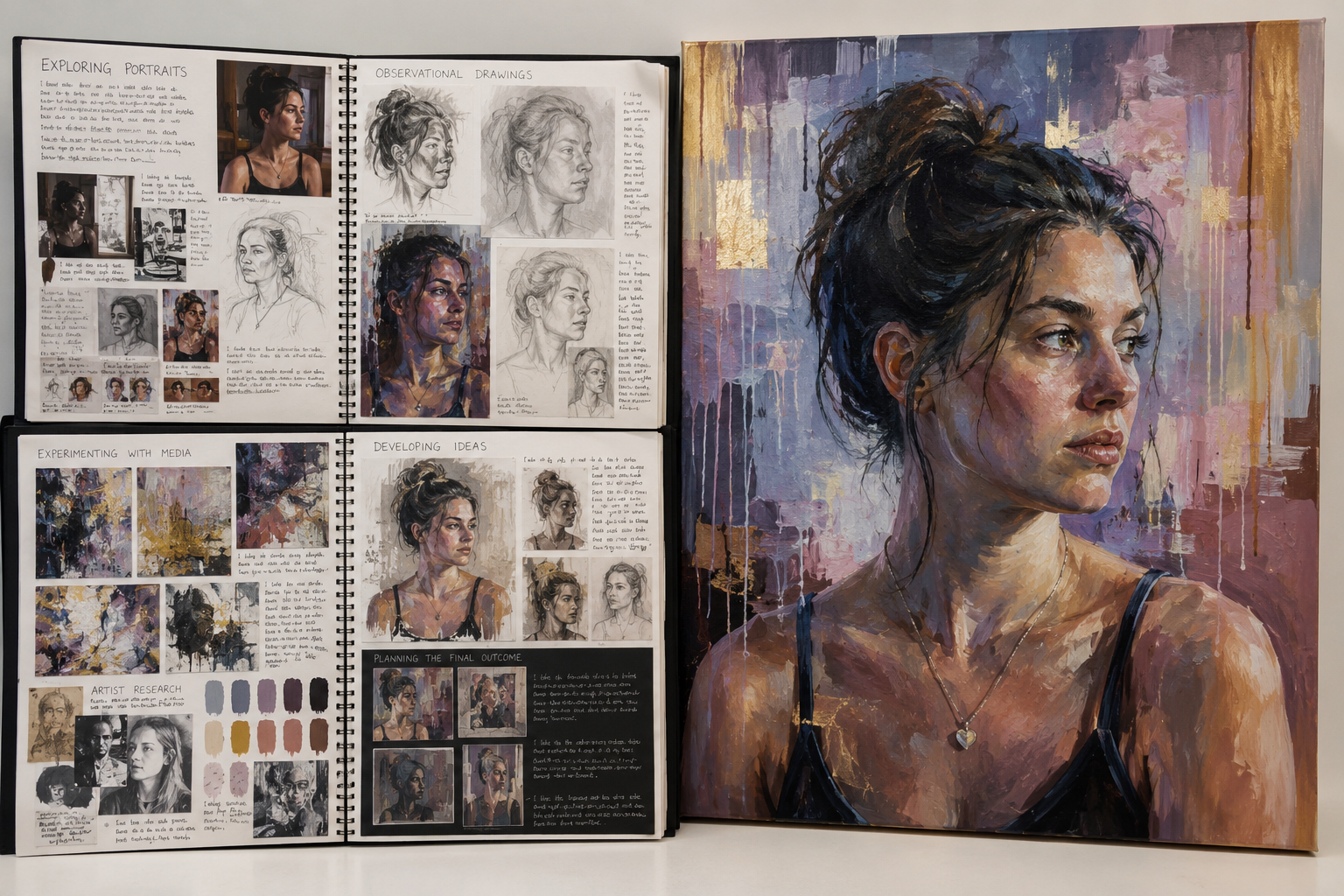
AO4 is not simply about producing one polished piece at the end of your project. It is about presenting a personal and meaningful response that clearly develops from your research, experimentation, recording and intentions.
Your final response or your GCSE Art final piece should feel like the natural conclusion to the journey shown in your sketchbook. The examiner should be able to understand where the idea came from, how it changed, why you selected particular materials and how the finished outcome communicates your intentions.
This guide explains what AO4 actually means with AO4 examples, what examiners are looking for, how it connects to AO1, AO2 and AO3, what commonly goes wrong and how to produce the kind of personal and meaningful response associated with the highest GCSE Art marks.
What Is Assessment Objective 4?
The wording differs slightly between examination boards, but AO4 generally asks students to:
Present a personal and meaningful response that realises intentions and demonstrates understanding of visual language.
That sentence contains several important ideas.
- Present: communicate your work clearly and thoughtfully.
- Personal: show your own decisions, experiences, viewpoint and creative identity.
- Meaningful: produce work with a clear purpose rather than decoration for its own sake.
- Realises intentions: turn the ideas developed throughout the project into a convincing response.
- Visual language: use elements such as colour, composition, tone, form, texture, typography, lighting and scale intentionally.
AO4 therefore assesses both the outcome and the thinking behind it.
Is AO4 Just the Final Piece?
No. The final piece is important, but AO4 is broader than a single finished artwork.
Evidence for AO4 can include:
- final composition plans
- mock-ups and prototypes
- scale tests
- final material choices
- presentation decisions
- photographs of an installation or three-dimensional outcome
- a completed painting, print, photograph, sculpture, garment or design
- a series of connected final images
- evaluation of how successfully the response realises your intentions
The examiner looks at whether the final response grows convincingly from the rest of the project. A technically impressive outcome can feel weak if it appears suddenly and has little connection to the sketchbook.
By contrast, an outcome with a few imperfections may still be successful when it is personal, purposeful and strongly connected to the development shown throughout the project.
What Does “Personal and Meaningful” Actually Mean?
A personal response does not mean that every project must reveal private information or focus on a dramatic life event.
It means that the work should contain evidence of your choices.
A personal response might be shaped by:
- your own photographs
- a place you know
- objects connected to your family or culture
- your interpretation of a theme
- a subject you care about
- your preferred materials
- your own colour palette
- the way you combine artistic influences
- your decisions about scale, composition and presentation
A meaningful response has a clear reason for looking the way it does. The subject, materials and visual choices should support the idea you are communicating.
I used fragmented reflections to communicate the way memory changes over time. The repeated portrait is based on my own photographs, while the limited blue and grey palette creates a quieter and more distant atmosphere.
This explanation demonstrates intention. The decisions are not random; they contribute to the meaning of the work.

What Examiners Want to See
Strong AO4 evidence usually demonstrates:
- a clear connection to the project theme
- a response informed by relevant artist or designer research
- materials and techniques refined through AO2
- original source material recorded through AO3
- a composition developed rather than chosen at the last minute
- confident use of visual language
- personal decision-making
- a sense of resolution
- thoughtful presentation
- an outcome that realises the student’s intentions
The examiner should not have to guess how you arrived at the final response. Your project should make the journey visible.
What Is Visual Language?
Visual language is the way images communicate.
It includes decisions about:
- composition
- colour
- tone
- line
- shape
- form
- texture
- pattern
- scale
- space
- contrast
- lighting
- viewpoint
- typography
- rhythm and repetition
For example, a low viewpoint can make a figure appear powerful. A tightly cropped portrait can create intensity. Repeated shapes can suggest movement, routine or obsession. A muted palette can communicate distance, age or melancholy.
In AO4, these choices should work together to support your intentions.
The Biggest AO4 Mistake
The biggest AO4 mistake is producing a final piece that appears disconnected from the sketchbook.
This often happens when a student:
- chooses a new idea immediately before the final outcome
- copies an artist’s work too closely
- uses materials that were never tested
- works from an online image instead of personal source material
- ignores successful experiments completed earlier
- creates only one composition plan
- focuses on filling the page rather than communicating an idea
Your final response should contain recognisable evidence from the rest of the project. The examiner should be able to identify the photographs, observations, artistic influences and material experiments that shaped it.
Copying an Artist Is Not a Personal Response
Artist research should influence your work, but the final response should not look like a direct copy.
You might learn from an artist’s:
- colour palette
- use of scale
- composition
- mark-making
- lighting
- materials
- fragmentation
- symbolism
- approach to portraiture
You should then combine those influences with your own source material and intentions.
For example, rather than copying a Frida Kahlo self-portrait, you could use your own portrait photography, select personal objects as symbols and explore a different setting, colour palette and composition.
What Does a Grade 9 AO4 Response Look Like?
A high-level AO4 response usually feels resolved, personal and clearly connected to the project.
It may demonstrate:
- an ambitious but manageable idea
- a strong composition developed through several alternatives
- confident use of selected materials
- original imagery
- thoughtful links to artists without imitation
- clear visual communication
- attention to detail
- effective use of scale and presentation
- evidence that earlier feedback and experimentation were acted upon
- a convincing relationship between intention and outcome
High marks do not depend on making the biggest, most complicated or most realistic artwork. Complexity without control can weaken a response.
A simpler outcome can be highly successful when every element has been considered.
Planning an Effective Final Response
A successful final response should be planned, but it should not feel mechanically predetermined.
Before beginning, consider:
- What is the central idea?
- Which source images will I use?
- Which artist influences are relevant?
- Which experiments were most successful?
- What scale is appropriate?
- What composition communicates the idea most clearly?
- Which materials can I control confidently?
- How much time will each stage require?
- How will the outcome be presented?
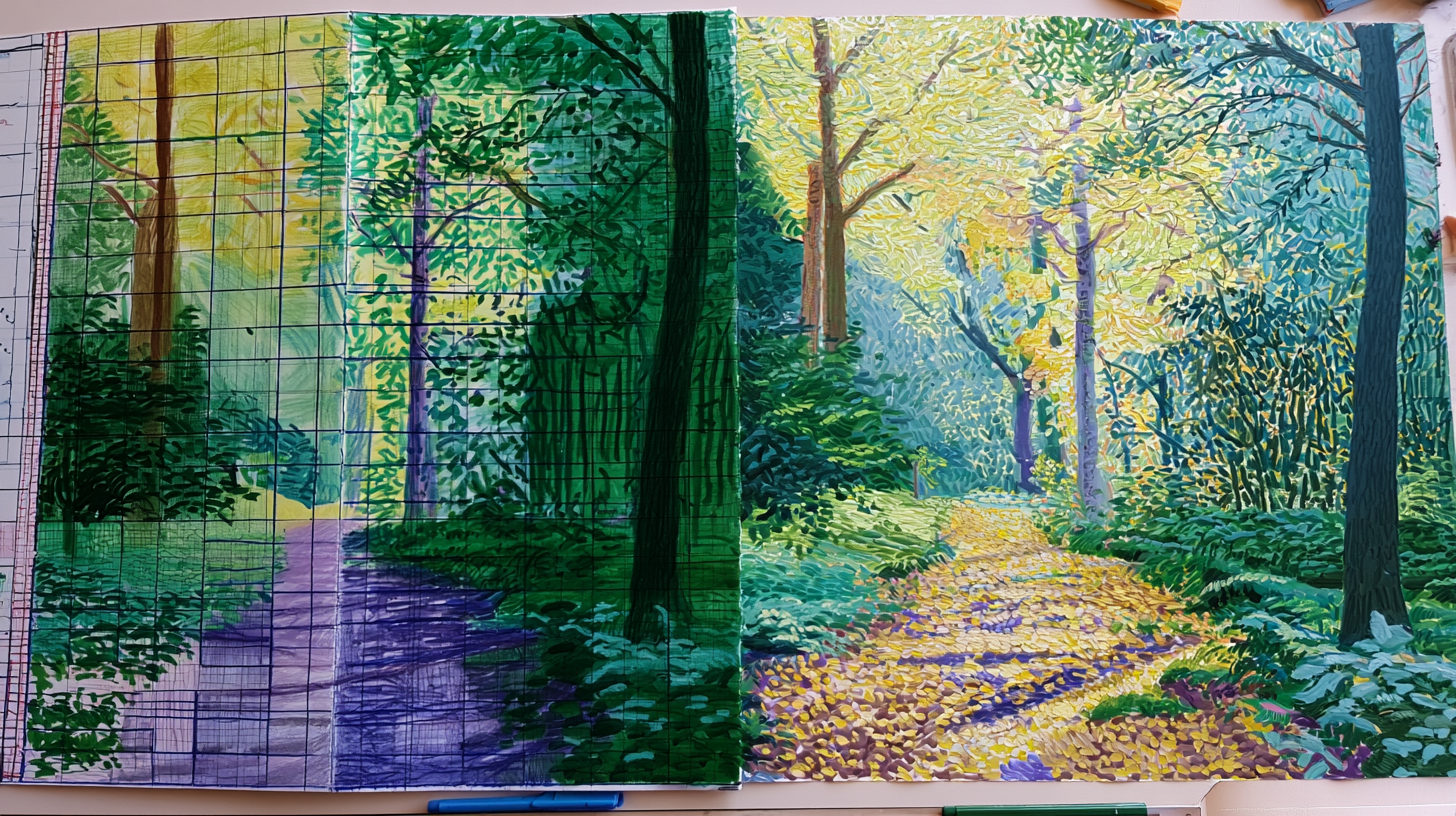
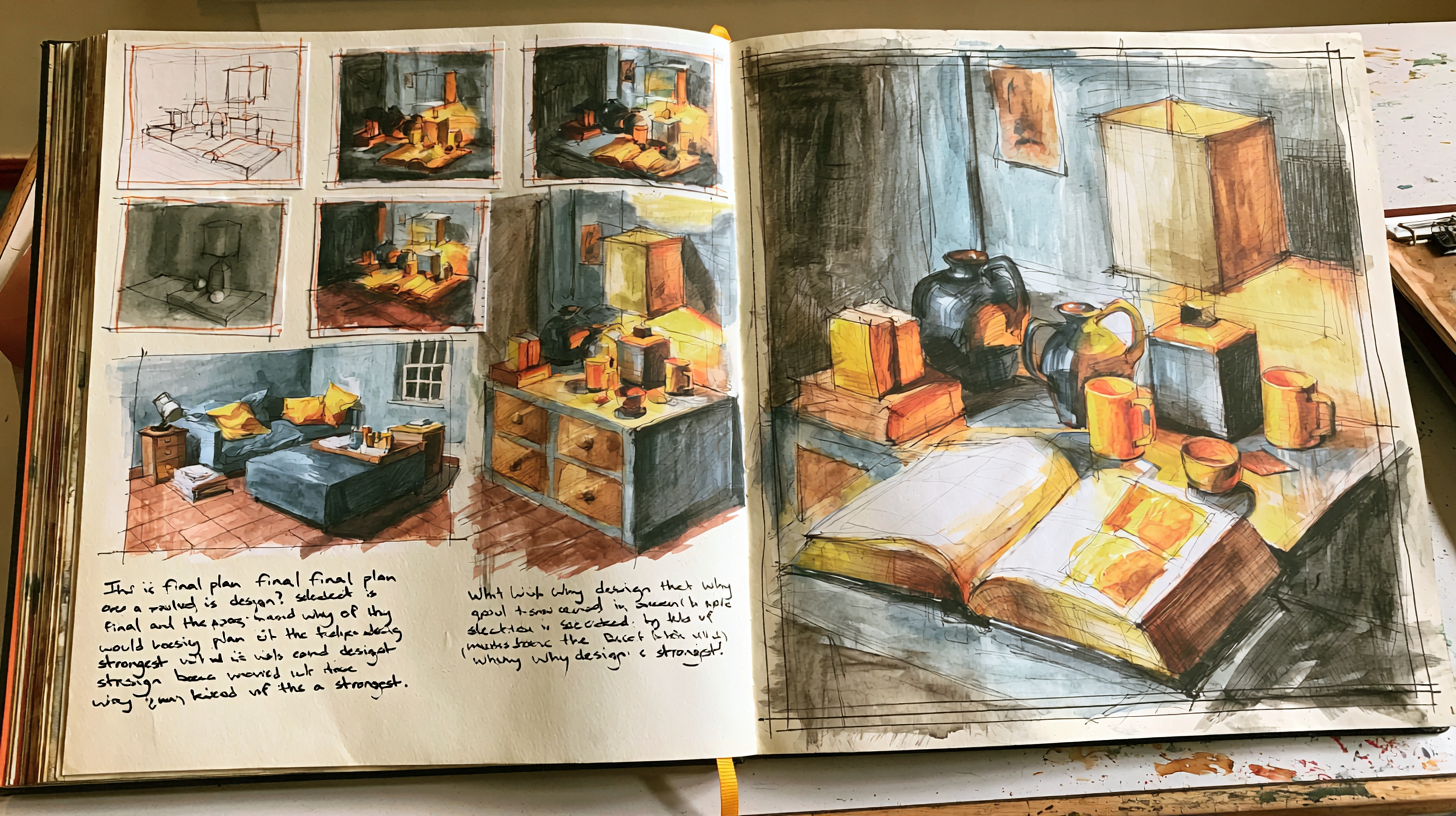
Create several small composition thumbnails rather than committing immediately to the first idea.
Try changing:
- the crop
- the viewpoint
- the position of the focal point
- the amount of negative space
- the scale of the subject
- the background
- the colour balance
- the relationship between text and image
These plans do not need to be highly finished. Their purpose is to help you compare possibilities before investing time in the final work.
How AO1 Supports AO4
AO1 provides the contextual understanding that informs your final response.
Your artist, photographer or designer research might influence:
- how you arrange the composition
- how you use colour
- how you represent the subject
- which materials you choose
- how you communicate an idea
- how you present the work
The connection should be visible, but your outcome should remain your own.
How AO2 Supports AO4
AO2 helps you discover how to make the final response successfully.
Experiments allow you to test:
- materials
- techniques
- colour combinations
- digital editing methods
- surfaces
- lighting
- typography
- scale
- presentation formats
Your AO4 response should use what you learned from these experiments. Avoid introducing a completely untested process in the final piece unless there is a clear and manageable reason.
How AO3 Supports AO4
AO3 supplies the original visual information used in the response.
This may include:
- your own portrait photographs
- observational drawings
- location photography
- texture studies
- colour notes
- contact sheets
- measurements
- composition sketches
Using your own recording makes the final response more personal and gives you greater control over viewpoint, lighting and meaning.
AO4 in Fine Art
In GCSE Fine Art, AO4 might be demonstrated through:
- a final painting
- a series of drawings
- a printmaking outcome
- a sculpture
- a mixed-media piece
- an installation
- a resolved textile or three-dimensional response
The outcome should use materials and visual qualities that support the project’s intentions.
For example, rough layered surfaces may suit a project about decay, while delicate translucent materials may be more appropriate for fragility or memory.
AO4 in Photography
In GCSE Photography, AO4 may be a single final image, a carefully edited series, a photo book, an installation, a sequence, a digital presentation or a combination of image and text.
A strong photography response demonstrates:
- controlled shooting
- purposeful image selection
- consistent editing
- thoughtful sequencing
- appropriate presentation
- a clear relationship between technique and meaning
Ten similar photographs are not automatically stronger than three carefully selected images. The final series should feel coherent and intentional.

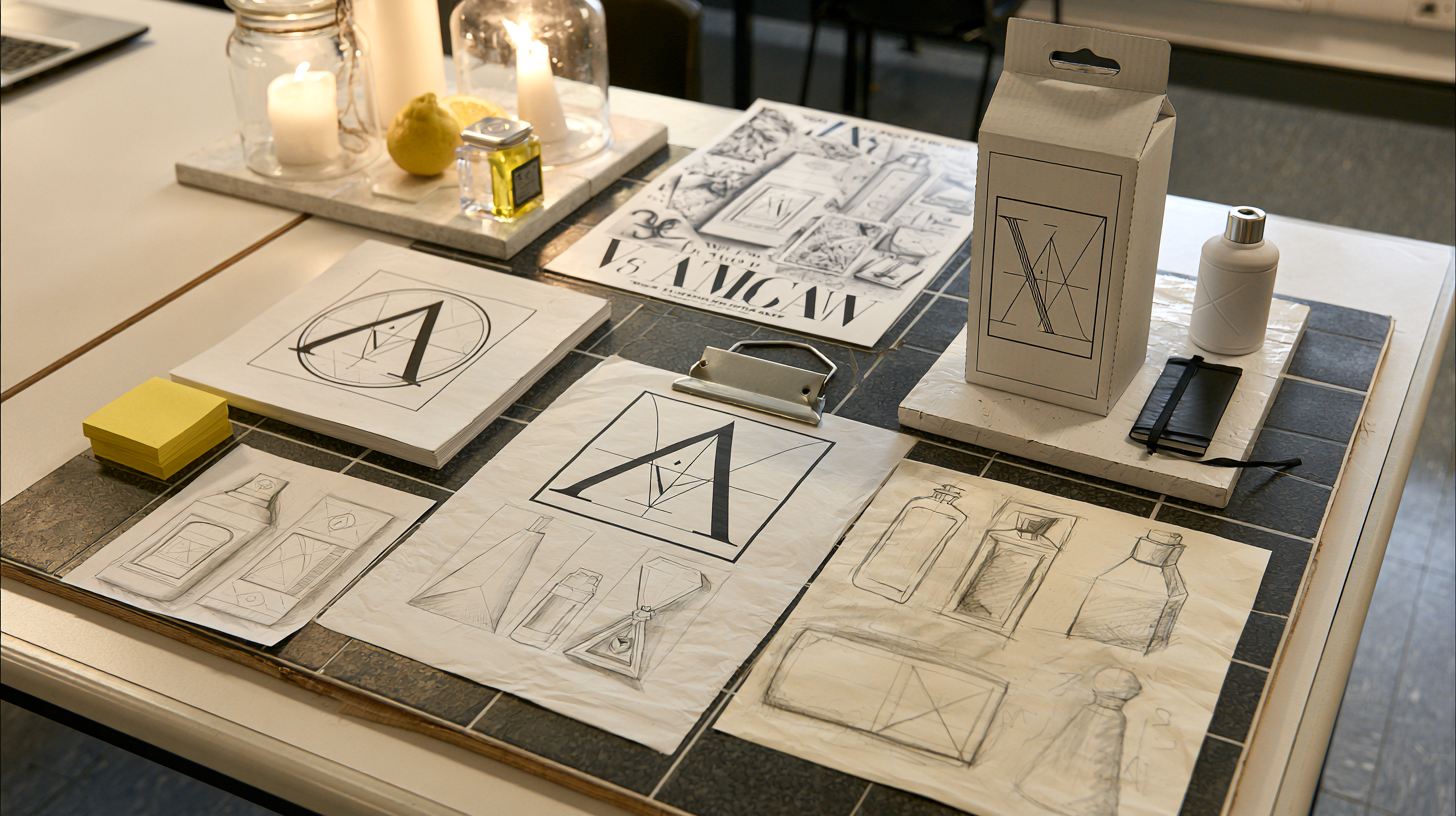
AO4 in Graphic Design
In GCSE Graphic Design, AO4 might include:
- a poster
- a branding system
- packaging
- an editorial layout
- a book cover
- a campaign
- a website or app concept
- motion graphics
- a set of connected design outcomes
The finished work should demonstrate control of hierarchy, typography, colour, imagery, layout and audience communication.
Mock-ups can help the examiner understand how the design would function in context, but they should support the work rather than hide weaknesses in the design itself.
Can You Get High Marks If the Final Piece Is Not Perfect?
Yes. Examiners do not expect the work of a professional artist.
They assess how successfully the response realises your intentions and reflects the journey of the project.
An outcome may contain areas that could be improved while still demonstrating:
- strong personal ideas
- effective visual communication
- confident material choices
- clear links to development
- independent decision-making
- thoughtful presentation
However, avoid using this as an excuse for poor time management. An obviously unfinished response may not fully realise the intentions shown in the project.
Common AO4 Myths
The Final Piece Must Be Huge
False. Scale should suit the idea, materials and available time.
The Most Realistic Outcome Gets the Highest Mark
False. Technical skill matters, but originality, intention, visual communication and development are also important.
The Final Piece Must Copy the Artist Studied
False. Artist research should inform your response, not replace your own ideas.
You Should Save Your Best Idea Until the End
False. Your strongest idea should be tested and developed before the final outcome.
Evaluation Alone Can Rescue a Weak Outcome
False. Reflection is useful, but it cannot replace a convincing practical response.
Practical Ways to Improve AO4
- revisit your strongest AO1, AO2 and AO3 pages before planning
- identify the main idea you want the outcome to communicate
- create several composition alternatives
- use your own source material
- select techniques you have already tested
- choose a realistic scale
- plan your working time
- photograph three-dimensional or temporary work carefully
- consider how the outcome will be displayed
- evaluate whether the finished work realises your intentions
AO4 Self-Assessment Checklist
- □ Does my final response clearly connect to my project theme?
- □ Can I explain how my AO1 research influenced it?
- □ Have I used successful experiments from AO2?
- □ Does it use information recorded during AO3?
- □ Is the source material personal and original?
- □ Have I developed more than one composition?
- □ Are my material choices purposeful?
- □ Does the visual language support the meaning?
- □ Have I avoided copying an artist too closely?
- □ Is the scale realistic for the available time?
- □ Is the outcome presented clearly?
- □ Would someone understand how I reached this response?
- □ Does it feel like the natural conclusion to the project?
Questions to Ask Before You Begin the Final Outcome
- What exactly am I trying to communicate?
- Which earlier page contains my strongest idea?
- Which original photographs or drawings will I use?
- What have I learned from the artists I studied?
- Which material tests were most successful?
- What could go wrong, and how can I reduce that risk?
- How will I use colour, composition and scale?
- How long will each stage take?
- How will I know when the work is resolved?
Final Thoughts
Assessment Objective 4 is not simply the moment when you produce a final piece.
It is the point at which the research, experimentation, recording and decision-making from the whole project come together.
A successful AO4 response should be personal, meaningful and visually convincing. It should communicate your intentions and demonstrate that you understand how artistic choices create meaning.
The strongest outcomes do not appear from nowhere. They grow naturally from AO1, AO2 and AO3.
When the examiner can trace the journey from the first investigation to the final presentation, your project feels coherent, independent and resolved.
Frequently Asked Questions About AO4
Is AO4 Worth 25% of the GCSE Art Marks?
In the common four-objective structure, each Assessment Objective is equally weighted. Check the exact specification used by your school or examination board.
Does AO4 Have to Be One Final Piece?
No. Depending on the discipline and project, the response may be a single outcome, a series, an installation, a publication, a photographic sequence or several connected designs.
Can My Final Outcome Change While I Am Making It?
Yes. Responding intelligently to what happens during the making process can demonstrate independence. Major last-minute changes are riskier when they have not been tested.
Should I Write an Evaluation?
A concise evaluation can help explain how successfully the response realises your intentions, what changed during production and what you would improve. Practical evidence remains the most important part.
What Happens If I Do Not Finish?
An unfinished outcome may limit how fully you demonstrate your intentions. Prioritise the most important areas, use a realistic scale and plan enough time for refinement and presentation.
Need Help With Your AO4?
Not sure whether your final response connects strongly enough to the rest of your project?
At Portfolio to A Star, I provide personalised GCSE Art portfolio feedback, helping students strengthen their final composition, make clearer links between the Assessment Objectives and identify practical improvements before submission.
Expert feedback can help you decide which ideas to develop, which materials to use and how to make your final response feel more personal, meaningful and resolved.
Develop with purpose. Make personal decisions. Present a response that brings the whole project together. That is what Assessment Objective 4 is really about.
One response
[…] AO4: Developing a personal outcome […]